Preventing houseflies requires a two-pronged strategy: eliminating the attraction (sanitation) and denying entry (exclusion).
Because houseflies reproduce so rapidly, with a single female capable of laying up to 500 eggs in her short life, even small hygiene or structural integrity lapses can lead to a major fly infestation.
Here are the two approaches to fly prevention that focus on hygiene and exclusion.
The Foundation of Fly Prevention: Sanitation and Hygiene
Fermenting organic matter attracts houseflies and other filth flies, such as flesh flies, blue bottle flies and green bottle flies. Without proper sanitation, physical barriers will eventually fail due to the sheer volume of flies trying to enter a building.
- Waste Management: Use bins with tight-fitting lids, remove trash daily, and clean the bins regularly to remove “sludge” at the bottom.
- Source Reduction: As houseflies breed in decaying vegetable matter, animal faeces, and garbage, eliminate standing water and damp organic debris near buildings.
- Interior Cleanliness: Focus on “hidden” areas: under kitchen equipment, floor drains, and behind appliances where food particles accumulate to prevent the buildup of organic residues.
Structural Barriers: Closing the Gaps To Fly Entry
Physical exclusion is the most effective long-term solution to preventing housefly entry into a building and involves sealing every possible housefly entry point.
Insect Screens (The First Line of Defence)
Though insect screens are essential for windows and doors to prevent housefly entry, their effectiveness depends entirely on the mesh size.
- Standard Specification: For houseflies (Musca domestica), a standard 18 x 16 mesh (18 strands by 16 strands per square inch) is the industry standard.
- Material: Stainless steel or heavy-duty fibreglass are long-lasting insect-screen options.
- Maintenance: Even a small tear acts as an “open door” for housefly entry. Monthly screen inspections for holes or frame warping, and the repair of damaged sections, are important.
Air Curtains (The Invisible Housefly Barrier)
Air curtains (or air doors, as they are called in the United States of America) are high-velocity fans mounted above entrances to create a continuous stream of air that flying insects cannot penetrate.
- Air Velocity: To stop housefly entry, an air curtain must produce a minimum velocity of 1,600 feet per minute (fpm) measured 3 feet above the floor.
- Coverage: The air curtain’s airflow must cover the entire width of the doorway.
- Automatic Triggers: In commercial buildings, it is common to wire air curtains to a microswitch that opens them immediately after the door opens.
Additional Housefly Physical Prevention Steps
Beyond screens and air curtains, you can consider the following structural reinforcements.
| Fly Prevention Method | Detail |
| Self-Closing Doors | All exterior doors should have hydraulic closers to prevent them from being left ajar by accident. |
| Door Sweeps | Install heavy-duty nylon or brush sweeps at the base of doors to eliminate the gap between the door and the threshold. |
| Caulking/Sealing | Use silicone or polyurethane sealant to plug gaps around utility pipes, vents, and conduits entering the building. |
| Vestibules | A “double-door” entry system creates a transition zone, making it much harder for a fly to navigate both doors before one closes. Such features are used in large buildings such as offices, hotels and hospitals. |
Why Physical Prevention Of Flies Wins?
Unlike chemical pesticide sprays against houseflies, their physical prevention is:
- Sustainable: It works 24X7 without needing reapplication.
- Safe: No risk of food contamination from chemical pesticides.
- Cost-Effective: While the upfront cost of an air curtain or high-quality screens is higher, it saves money on pest control services over time.
Monitoring the effectiveness of fly prevention with FLYght Duo:
While houseflies can be visually observed, insect light traps are important tools for monitoring their population. Despite external cleanliness and internal barriers such as screens, air curtains, door closers, door sweeps, seals, and double doors, some flies may still enter different areas of a building, depending on the season and other factors such as building repairs.
An insect light programme includes determining the number of ILTs required, area-wise, throughout the building. Thereafter, ILTs are placed to prevent houseflies from entering, but intercepting those that have breached the entry barriers indicates housefly activity.
A weekly check of the glueboards of fly-catcher type ILTs reveals the number of flying insects, their types, and their likely entry point (based on the trap location). ILT users need to determine the causes of flying insects exceeding an acceptable threshold and resolve them. Most flying insect entry despite preventive barriers is due to equipment malfunction, human error (like keeping doors propped open) or damage (to insect screens). Fixing the causes usually helps prevent further fly entry and reduces insect counts in the gluebards in subsequent weeks.
The FLYght Duo is a third-generation UV LED ILT, popular across India in various types of facilities. FLYght Duos create an excellent housefly monitoring programme by discreetly trapping houseflies, other filth flies, and other insects attracted to blue and UV light. FLYght Duo traps are sleek, lightweight, sturdy and highly effective. Their patented bio-VE+ inserts attract flying insects, after which the FLYght Duo’s glueboard traps them. Weekly flying insect checks of FLYght Duo’s glueboards are the best way to determine the effectiveness of fly prevention measures.
Case study: How a dental clinic became flying insect-free?
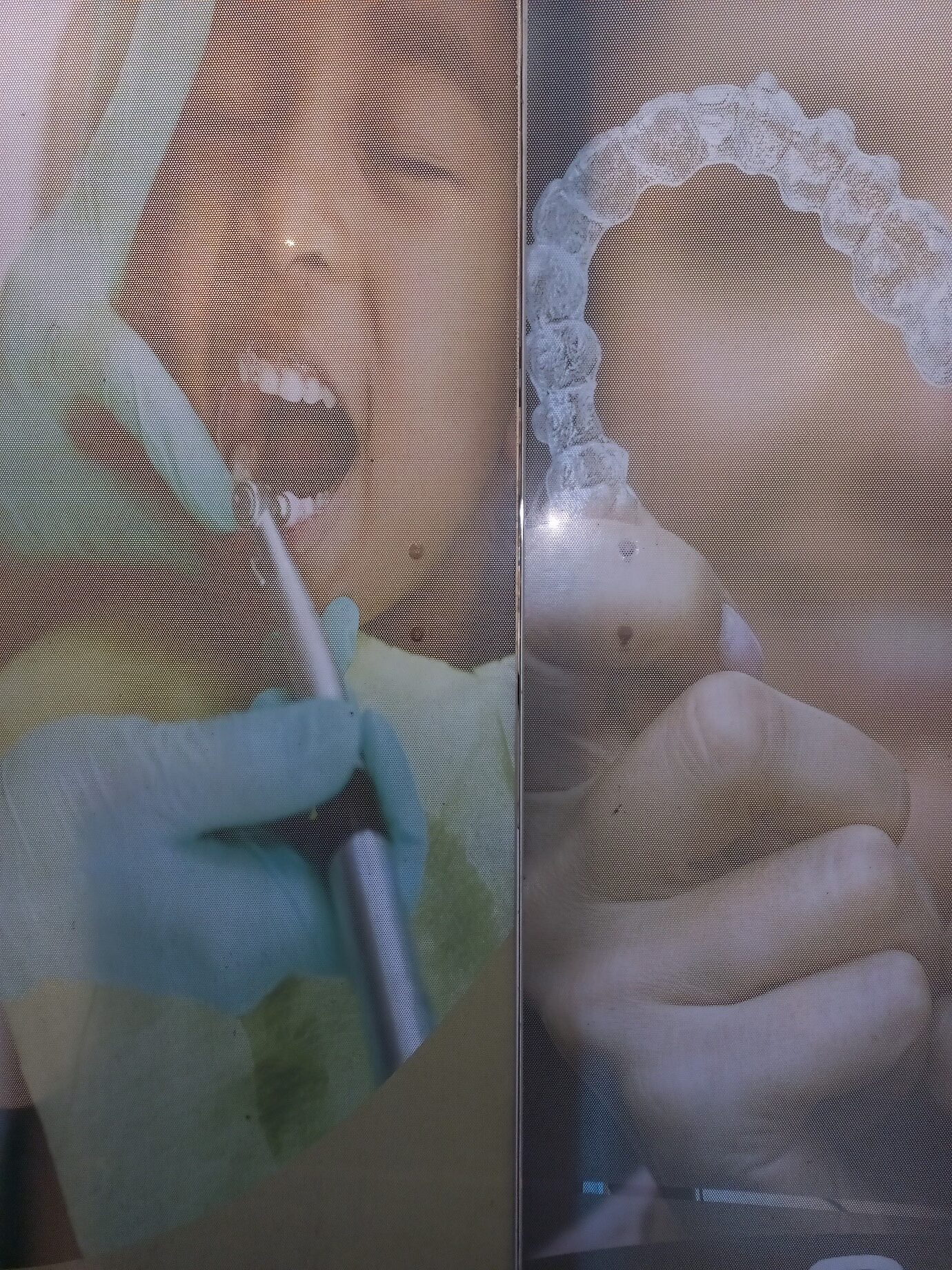
We end this blog post by sharing our experience with one of our customers, a dental clinic. The dentist ordered Giridhar Pai Associates’ FLYght Duo after finding it attractive, compact, and in line with the clinic’s décor. However, our visit to the clinic showed that while the FLYght Duo was performing well at the clinic’s reception, the clinic continued to rely on a floor-mounted fly killer in an inner room. A discussion with the dentist revealed that they were still experiencing a flying insect problem. GPA’s investigation into the source of flying insects and guidance to the dentist led to preventing flying insect entry without the use of additional insect light traps or chemical pesticides. We request that you review the pictures of our case study site and read the case study to learn how to manage houseflies effectively using preventive barriers.
Case study – The “invisible” entry point – how a dental clinic achieved a fly free environment
The Challenge: A dental clinic was successfully using the FLYght Duo UV LED Trap in their reception, yet flying insects persisted in the clinical patient zones. Despite having an older floor-mounted fly killer as backup, the “buzz” wouldn’t go away.
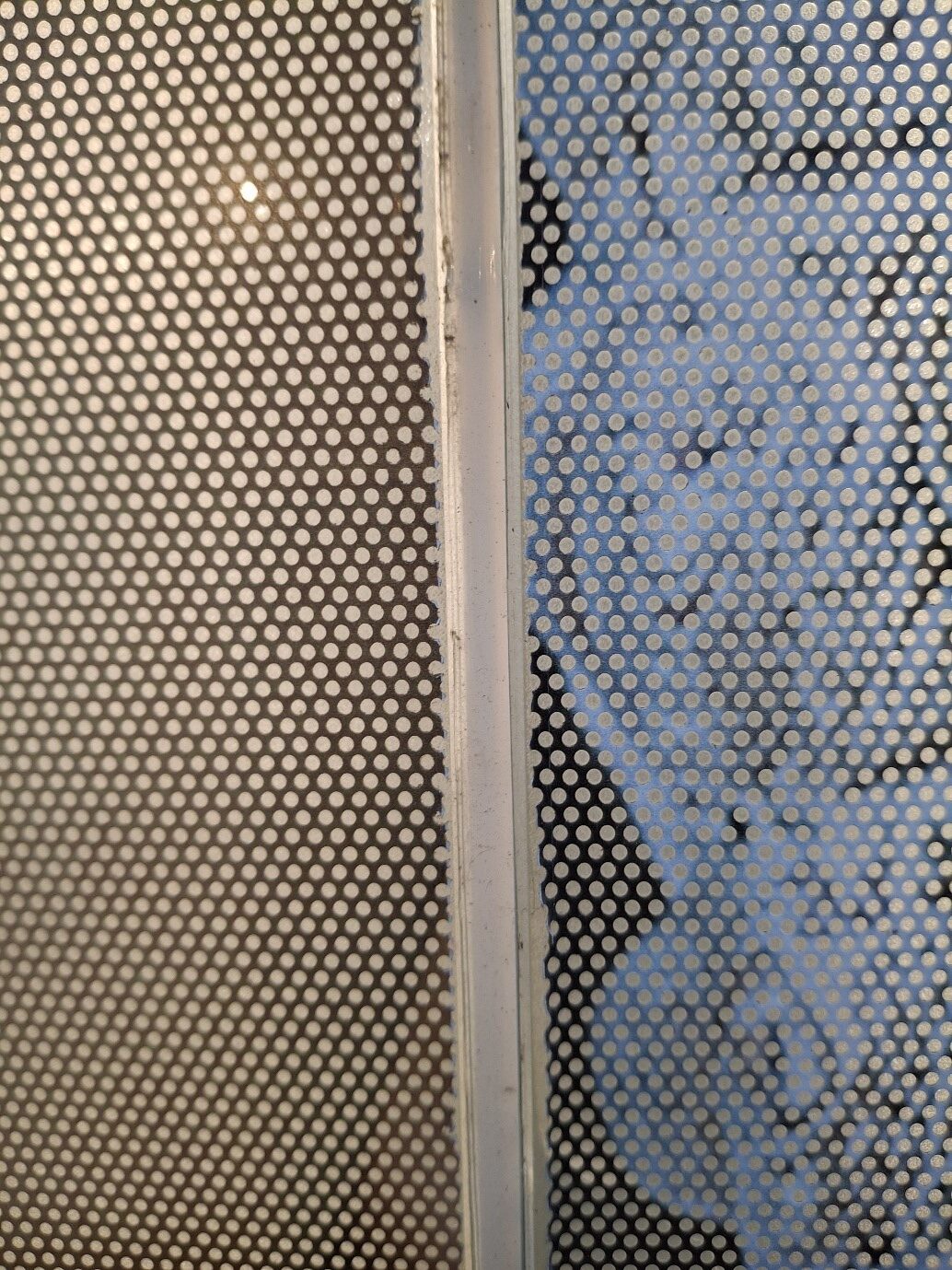
The Inspection: A detailed site audit by Giridhar Pai Associates (GPA) shifted the focus from the traps to the structure itself. We discovered significant gaps between the exterior-facing glass panels and where the panels met the wall. These tiny “fly-ways” allowed insects to enter clinical areas inside the glass panels.
The Solution: Instead of recommending more light traps or a pesticide spray, we advised the clinic to have their interior contractor replace the gaskets and seal the gaps around the glass panels.
The Result: Once the structural gaps were closed, the flying insect problem vanished immediately. Our simple, non-toxic fix saved the clinic money on additional light traps and eliminated the need for pesticides in a sensitive healthcare establishment.
The Lesson for 2026: “Prevention through inspection is the highest form of pest management. By blocking pest entry points first, we reduce the reliance on chemical pesticide and make fly management more sustainable.” — Giridhar Pai