
Modern pet food formulations deliver nutrient-rich diets packed with premium animal proteins, bone and poultry meal, tallow fats, and cereal grains.
While these ingredients optimise health for dogs and cats, they also create an ideal ecological niche for Stored Product Insects (SPIs).
From manufacturing plants and distribution hubs to retail shelves and consumer pantries, dry pet foods face constant pressure from beetle and moth infestations.
For pet food brands, ingredient suppliers, and supply chain managers, unchecked SPI activity threatens product integrity, brand reputation, and audit compliance.
Implementing a proactive, non-toxic pheromone monitoring regime across the supply chain is essential to protect pet food quality from processing line to pet bowl.
Why Dry Pet Food Is Highly Susceptible to SPI Infestations
Unlike standard grains or milled flours, dry pet food (kibbles, extruded pellets, semi-moist foods, and dehydrated meat treats) presents concentrated levels of nutrients that accelerate insect reproduction and development:
- High Protein & Fat Density: Concentrated animal proteins (poultry meal, fish meal, meat-and-bone meal) and spray-applied tallow or poultry fats act as direct feeding stimulants and oviposition attractants.
- Volatile Lipid Aroma Profiles: Palatability enhancers and digest coatings continuously off-gas lipid aromas that adult beetles and moths can trace over significant distances.
- Porous & Chewable Packaging: Many pet foods are packaged in multi-wall paper, woven polymer, or thin film bags. Micro-perforations, stitch holes, and folding gussets allow first-instar larvae easy entry into such packaging that may seem infestation-proof.
- Extended Storage & Temperature Variations: Raw ingredient silos, warehouse staging, interstate transit, and extended retail display periods increase exposure across fluctuating temperatures, speeding up life cycles.
Common Stored Product Insects in the Pet Food Sector
Identifying the specific species present is critical for targeted Integrated Pest Management (IPM):
- Red-Legged Ham Beetle (Necrobia rufipes): A destructive pest in protein-rich pet foods and animal feed facilities. Both adults (shiny metallic blue-green with distinctive reddish legs) and larvae feed aggressively on high-fat dried meat, bone meal, poultry digest, dehydrated pet treats, and fish meal. Beyond feeding damage, larvae bore into packaging materials, wooden pallets, and cardboard to build pupal cocoons, while oily frass and secretions cause severe spoilage and rancid odours.
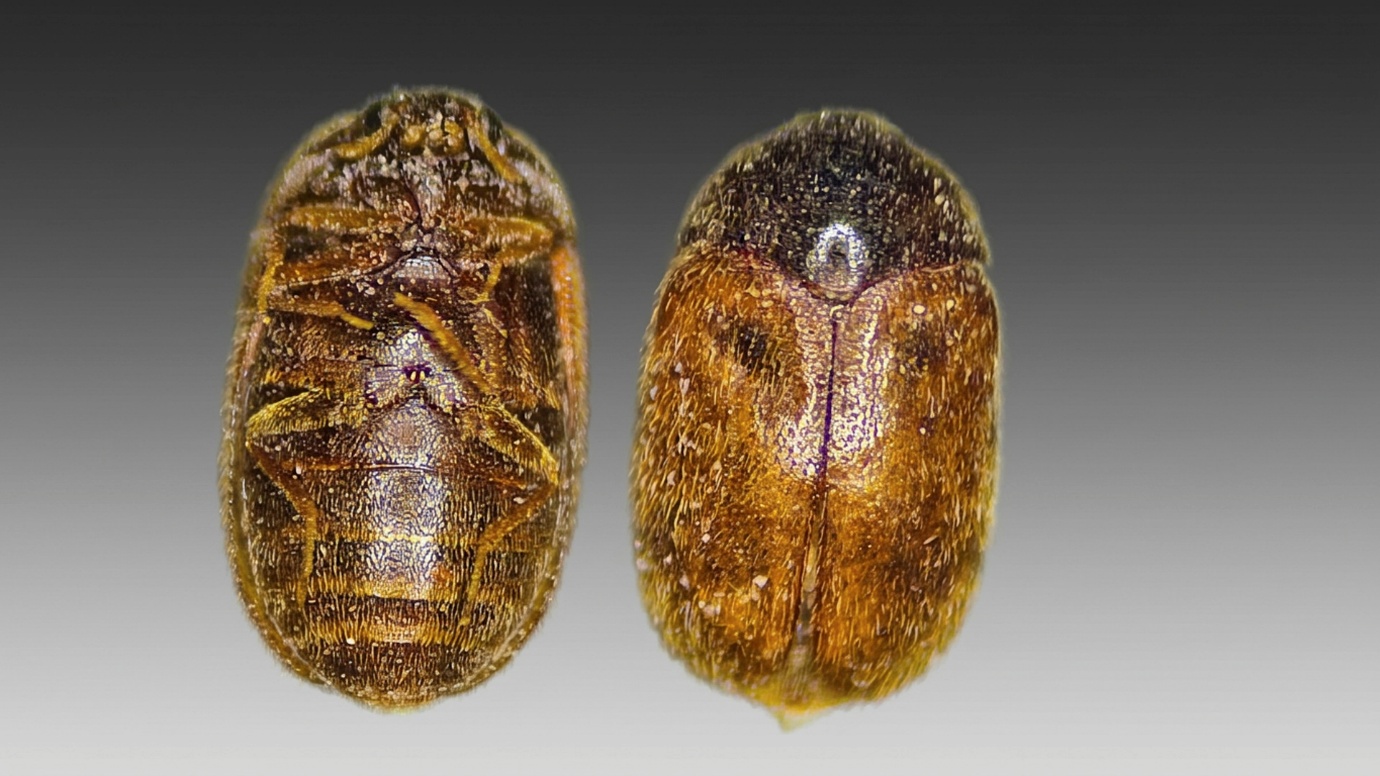
- Warehouse Beetle (Trogoderma variabile) & Khapra Beetle (Trogoderma granarium): Aggressive dermestid feeders that attack animal by-products and cereal binders. Their shed larval hairs (setae) pose allergen and irritation hazards and can prompt severe regulatory rejections.
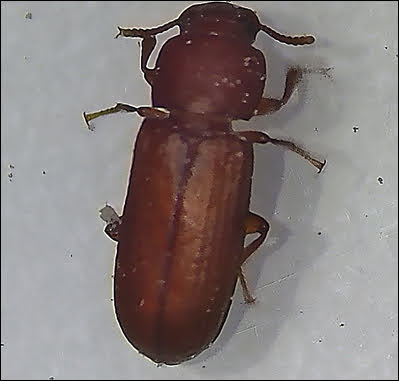
- Red Flour Beetle (Tribolium castaneum) & Confused Flour Beetle (Tribolium confusum): Small, resilient beetles that thrive on broken kibble dust and milled cereal binders, releasing benzoquinones that impart pungent odours and discolouration.
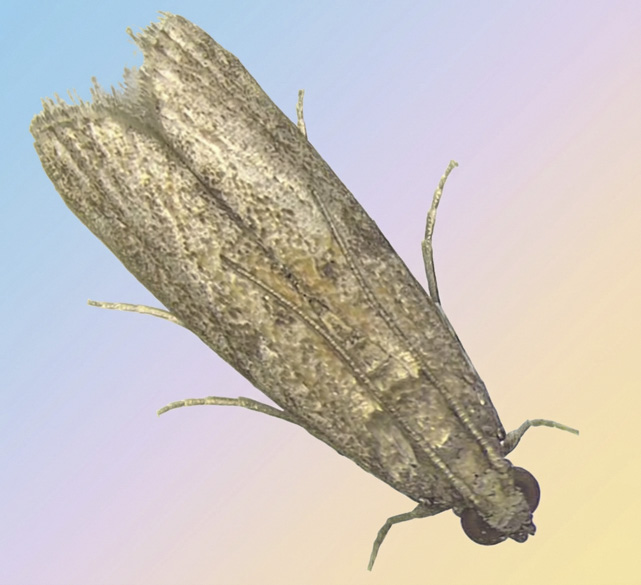
- Almond Moth (Cadra cautella): A major pest in pet food warehousing and retail. Larvae spin dense silken webs over kibbles and feed on surface layers, fouling product with frass and cast skins.
- Sawtoothed Grain Beetle (Oryzaephilus surinamensis): Rapid breeders with flattened bodies that easily penetrate package seams to consume carbohydrate and grain components.
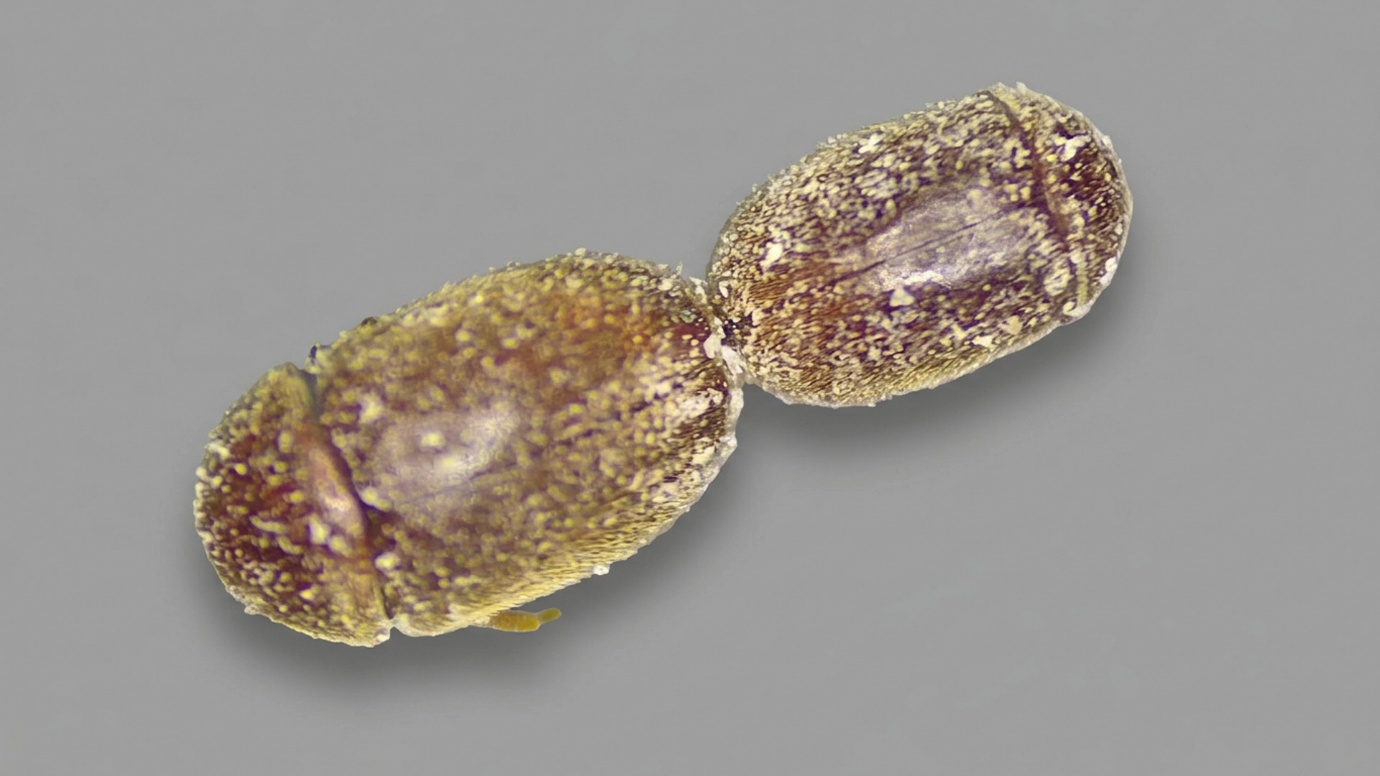
- Cigarette Beetle (Lasioderma serricorne) & Drugstore Beetle (Stegobium paniceum): The larvae of these beetles are highly adaptable chewers capable of boring straight through foil and polymer films to access dry feed.
Strategic Steps to Manage SPIs Across the Pet Food Supply Chain
Relying solely on reactive fumigation or general surface spraying with insecticides in pet food handling zones introduces likely residue risks and fails to detect low-level, developing populations. Modern food safety frameworks dictate a systematic IPM strategy grounded in Inspection, Prevention, and Monitoring:
1. Facility Hygiene & Structural Sealing
- Enforce strict sanitation cycles to eliminate pet food dust, broken kibble, and meat-meal fines under pallet racking and conveyors.
- Maintain tight perimeter sealing using physical rodent and pest exclusion barriers on dock levellers, roll-up doors, and expansion joints to restrict outside entry.
2. Rigorous Inbound & Outbound Inspections
- Inspect every incoming batch of raw animal proteins, poultry meals, and grain binders for live larvae, boreholes, or pupal cases before intake tipping.
- Enforce FEFO (First-Expired, First-Out) inventory rotation to prevent stagnant stock ageing in storage.
3. Continuous Pheromone Trapping & Surveillance
- Deploy insect-specific pheromone and kairomone lure traps across raw material warehouses, processing halls, packaging staging zones, and finished goods transit hubs.
- Check pheromone traps at regular intervals, logging counts on trend-analysis floor plans to pinpoint localised hot-spots before adult insects disperse or deposit eggs into packaging lines.
Partner with Giridhar Pai Associates (GPA): India’s Sole SPI Pheromone Trap Specialist
Catching an infestation when a customer cuts open a bag of kibble is too late. Maintaining a clean pet food supply chain requires accurate, audit-ready data.
Giridhar Pai Associates LLP (GPA) is India’s thought leader in scientific, non-toxic pest management and the country’s sole distributor of global gold-standard SPI monitoring technologies:
- USA’s Trécé Inc. STORGARD® Monitoring Systems: As the exclusive supplier in India, GPA provides industry-leading STORGARD® Quick Change Dome Traps, STORGARD® II, and Thinline III trap assemblies. These use species-specific sex and aggregation pheromones, plus food attractants calibrated for flour beetles, cigarette beetles, khapra beetles, and almond moths.
- Japan’s Fuji Flavour New Serrico Traps: Precision monitoring traps designed specifically for early cigarette beetle surveillance.
- Audit Compliance & IPM Expertise: Backed by decades of entomological leadership and authorised distribution of PCT educational field guides, GPA helps pet food manufacturers build defensible, non-pesticide early warning programs that satisfy internal and global food safety standards.
If you are a pet food manufacturer or part of the pet food supply chain and would like to develop your SPI pheromone trap monitoring programme, Contact Us for guidance on: the stored product insects you have, the pheromone traps and their consumable you need, and trap counting to establish SPI populations are within thresholds.