
In our hyper-connected global economy, data centres represent the beating heart of digital commerce, cloud computing, enterprise operations, and communication.
A single second of data centre downtime can trigger catastrophic consequences including financial haemorrhaging, legal exposure, compromised brand reputation, and breached Service Level Agreements (SLAs).
To defend against disruptions, data centre facility managers routinely invest millions in state-of-the-art climate control, redundant power supplies (UPS), tier-rated backup generators, and sophisticated biometric cybersecurity protocols.
Yet, one of the most severe threats to infrastructure reliability does not arrive via malicious malware or a sudden grid failure.
It crawls in quietly through a quarter-inch gap under a loading dock door: a rodent.
For mission-critical facilities, managing rodents cannot rely on outdated, reactive measures.
True operational resilience demands proactive, permanent, non-toxic rodent exclusion—stopping the threat at the building envelope before it reaches sensitive server suites.
1. The Real Cost of Rodents in Critical Infrastructure
Rats and mice are biologically engineered to gnaw.
Rodent incisors grow continuously at a rate of 10 to 12 centimetres per year, forcing them to chew relentlessly on hard substrates to keep their teeth sharp and worn down. In a data centre environment, the soft, flexible jacketing of high-voltage wiring, network conduits, and optical fibre cables presents an irresistible target.
When rodents infiltrate server rooms and electrical infrastructure, the risks multiply rapidly:
Catastrophic Network Downtime and Fibre Cuts
A single severed bundle of low-voltage or fibre-optic cabling can bring down an entire server rack row or compromise an entire availability zone.
Identifying the exact physical location of a chewed wire buried deep inside high-density cable trays or under a raised flooring plenum can take hours, sometimes days of troubleshooting while client applications remain offline.
Arc Faults, Electrical Fires, and Thermal Runaway
When rodents strip the protective insulation off primary power lines, exposed conductors short-circuit.
These short circuits can cause equipment-destroying arc flashes, trip main breakers, or spark smouldering electrical fires.
In modern high-density environments filled with continuous forced-air cooling, small smouldering spots can rapidly spread smoke through containment aisles, triggering automatic gas-suppression discharges that halt facility operations.
False Alarms and VESDA System Disruptions
Data centres rely on Very Early Smoke Detection Apparatus (VESDA) systems to detect micro-particles of combustion.
Rodent nesting debris, loose insulation fibres, hair, and dry urine dust aerosolised by high-velocity computer room air handlers (CRAHs) frequently trigger sensitive aspiration smoke alarms, leading to costly emergency protocol shutdowns.
Hygiene, Health, and Audit Non-Compliance
Rodents carry severe pathogens, leaving urine trails and droppings that foul sensitive equipment and violate occupational health standards.
For Tier III and Tier IV facilities undergoing rigorous third-party audits (such as ISO 27001, SOC 2, or Uptime Institute certifications), evidence of rodent activity is an immediate red flag for facility hygiene and perimeter integrity.
2. Why Conventional Rodent Control Fails in Data Centres
Historically, commercial pest control has relied on toxic rodenticide used inside bait boxes placed along perimeter walls. While common, this approach introduces significant vulnerabilities into mission-critical facilities:
- The Problem with Poison Baits: Rodenticides do not stop rodents at the door; they invite them in. When a rodent consumes anticoagulant bait, it does not die instantly. It seeks quiet, dark, climate-controlled hiding spots, typically the warm hollows underneath raised floors, inside uninterrupted power supply (UPS) cabinets, or within ceiling cable trays.
- Secondary Odour and Contamination Hazards: A rodent carcass decomposing behind a rack enclosure creates severe foul odours, attracts flies and secondary beetles, and risks corrosive fluid leaks onto sensitive motherboards and busbars.
- Reactive Nature: Baits and snap traps respond only after the physical perimeter has been breached. By the time a rodent may be snagged by a snap trap inside a facility, it has already walked over sensitive infrastructure.
Modern Integrated Pest Management (IPM) demands a proactive shift: Inspection, Prevention, and Monitoring. The foundational pillar of this approach is absolute physical exclusion.
3. The Vulnerability Map: Where Data Centres Get Breached
Rodents can compress their skeletons astonishingly well. A young mouse requires an opening of only 6 millimetres (about the diameter of a pencil) to enter, while an adult rat can squeeze through an opening of just 12 to 20 millimetres.
Data centres feature multiple architectural weak points that require dedicated sealing:
- Dock Levellers and Overhead Loading Bay Doors: Industrial roll-up doors, high-speed shutters, and loading docks frequently feature uneven concrete joints, rubber brush seals, or worn bottom flaps that rodents chew through effortlessly.
- Under-Floor Plenums and Raised Flooring: Raised floor systems designed for cabling distribution and pressurised cold-air delivery create an interconnected network of dark, temperature-regulated highways. Once rodents enter the plenum, they can move undetected throughout the building.
- Cable Trays, Cable Conduits, and Busway Penetrations: Cable bundles penetrating exterior firewall envelopes or routing through utility shafts are rarely sealed with chew-proof materials. Ordinary silicone caulk, standard expandable polyurethane foam, and rubber grommets offer zero resistance to rodent incisors.
- Pedestrian Emergency Exit Doors: Doors fitted with ordinary nylon bristle draft-excluders leave corner clearances that rodents routinely exploit.
4. Engineering Rodent Exclusion: The Non-Toxic, Permanent Barrier
Rodent exclusion (rodent-proofing) is an engineering solution designed to turn the building envelope into an impenetrable barrier. Rather than trapping or poisoning rodents inside a building, rodent exclusion keeps rodents from crossing the threshold.
Effective physical exclusion requires specialised, industrial-grade materials that combine mechanical strength with long-term flexibility:
Heavy-Duty, Chew-Proof Door Sealing
Standard brush strips and plastic sweeps fail because rodents quickly gnaw through the bristles. Facilities require heavy-duty sealing systems embedded with stainless steel wires and durable Santoprene or vulcanised rubber, such as RodeXit All-In-One rodent seals. These solutions withstand continuous mechanical wear against concrete while resisting gnawing from determined rats.

Hardened Utility Penetrations
All exterior wall sleeves, conduit knockouts, and HVAC drainage points must be sealed using stainless steel mesh, copper gauze, or specialised metal backing plates bonded with rodent-resistant escutcheon hardware.
Structural Inspection and Air Gap Elimination
A comprehensive physical inspection must evaluate all pedestrian, fire escape, and roll-up loading bay doors. Thresholds, side jambs, and astragals must be adjusted and fitted so that gaps nowhere exceed 5 millimetres.
5. Integrating Exclusion into Facility IPM Protocols
Rodent exclusion works together with non-toxic monitoring to maintain a bulletproof defence:
- Conduct a Perimeter Vulnerability Audit: Map every entry point across the outer shell, including delivery bays, emergency egress routes, and chilled-water pipe penetrations.
- Seal the Outer Envelope First: Install durable, wire-reinforced rodent seals like RodeXit on all exterior doors, overhead shutters, and dock levellers.
- Partition Internal Critical Zones: Create secondary physical barriers around server suites, electrical switchgear rooms, and battery backup enclosures so that an accidental breach at a loading bay cannot access primary data halls.
- Deploy Non-Toxic Monitoring Systems: Use high-precision visual monitoring through video cameras and mechanical traps along the building perimeter to monitor local rodent pressure without introducing hazardous rodenticides into the facility.
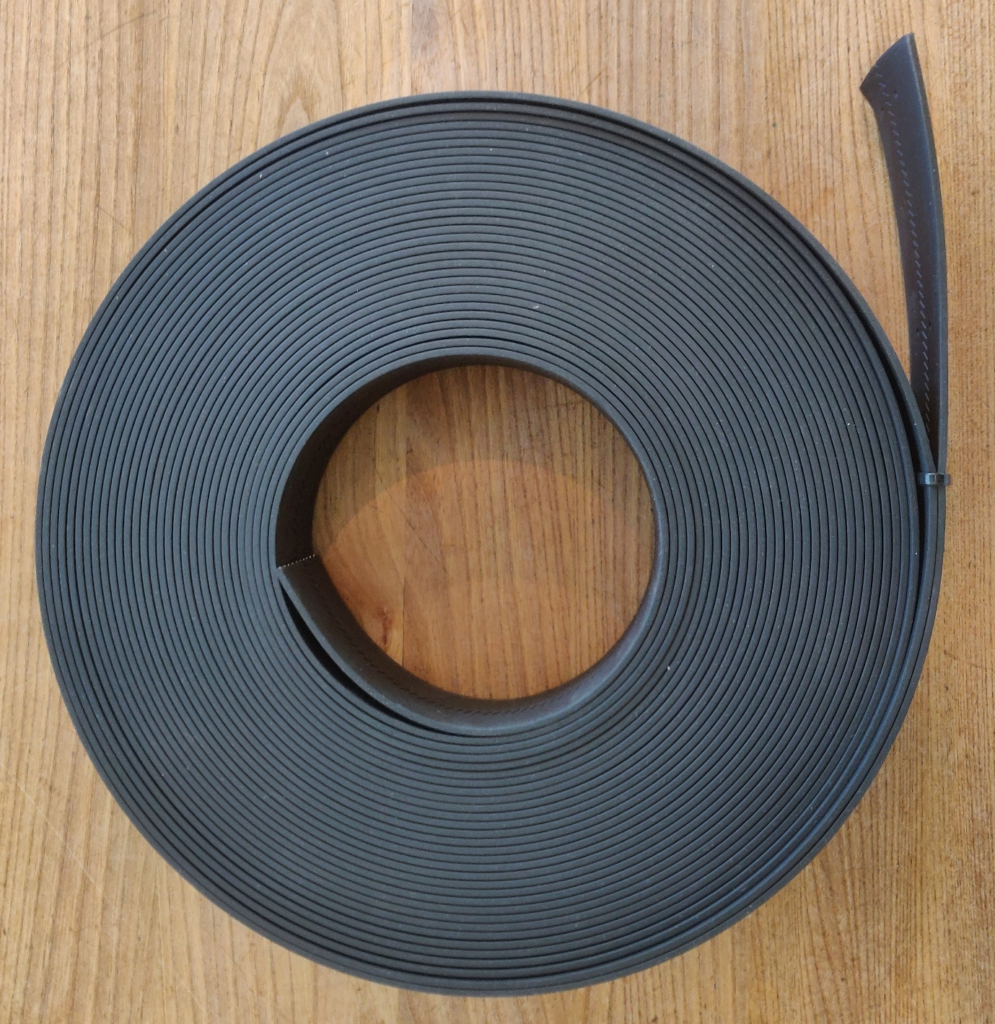
A 25 m roll of the RodeXit All-In-One rodent seal
Fortify Your Data Centre Infrastructure with GPA
Reliability is non-negotiable in data centre management. You cannot afford to let an unsealed dock door or a damaged rodent seal compromise uptime, trigger an electrical incident, or jeopardise audit compliance.
At Giridhar Pai Associates (GPA), we provide specialised, non-toxic Integrated Pest Management (IPM) and exclusion solutions designed specifically for high-spec commercial and industrial environments.
As the official Indian partner for world-leading technologies like Denmark’s RodeXit All-In-One rodent seals, we help facility engineers, critical systems managers, and operations directors achieve zero-breach perimeter defence.
Act Before the Next Breach
Is your facility’s physical envelope truly chew-proof?
- Schedule an on-site rodent exclusion assessment
- Explore RodeXit heavy-duty sealing installations for loading docks and server hall doors
- Upgrade your facility to a proactive, non-toxic IPM strategy
Contact Giridhar Pai Associates today:
Secure your perimeter. Protect your uptime. Partner with GPA.