
Revised on 20 June 2026
Giridhar Pai Associates (GPA) proudly serves as India’s leading distributor for LED fly catchers, in partnership with Singapore’s Pestroniks Innovations Pte. Ltd. (Pestroniks). Since 2020, GPA and Pestroniks have worked together to bring Indian customers the finest LED fly catchers across three innovative models: FLYght One (introduced in 2020), FLYght Duo (since 2021), and FLYght Deco (since 2025).
FLYght Traps are the ideal alternative to bulky, power-hungry UV fluorescent tube fly catchers, which often require annual or even more frequent replacement of fragile glass tubes.
Thanks to their compact size, FLYght Traps consume just 20% of the power of conventional models. They are inherently glass-free, meeting the stringent standards of the food and pharmaceutical industries, and feature LED lights designed to last 50,000 hours (over 6.7 years).
By 2026, FLYght Traps have become India’s leading choice for insect light traps.
GPA is also recognized as a leader in customer education for pest prevention and monitoring, sharing knowledge via its website, LinkedIn company page, and YouTube channel.
With over a hundred informative blog posts, the GPA blog stands as India’s premier resource for the pest control industry.
In this post, we present practical guidelines for effective use of insect light traps (ILTs), also known as fly catchers.
Although businesses typically install ILTs to monitor flies, we frequently observe improper installation. such as traps mounted at the wrong height or left overflowing with dead insects, stemming from a lack of user awareness. To address these issues, we share the following best practices for successful ILT use, helping our customers and other users establish an effective fly monitoring program in their facilities.
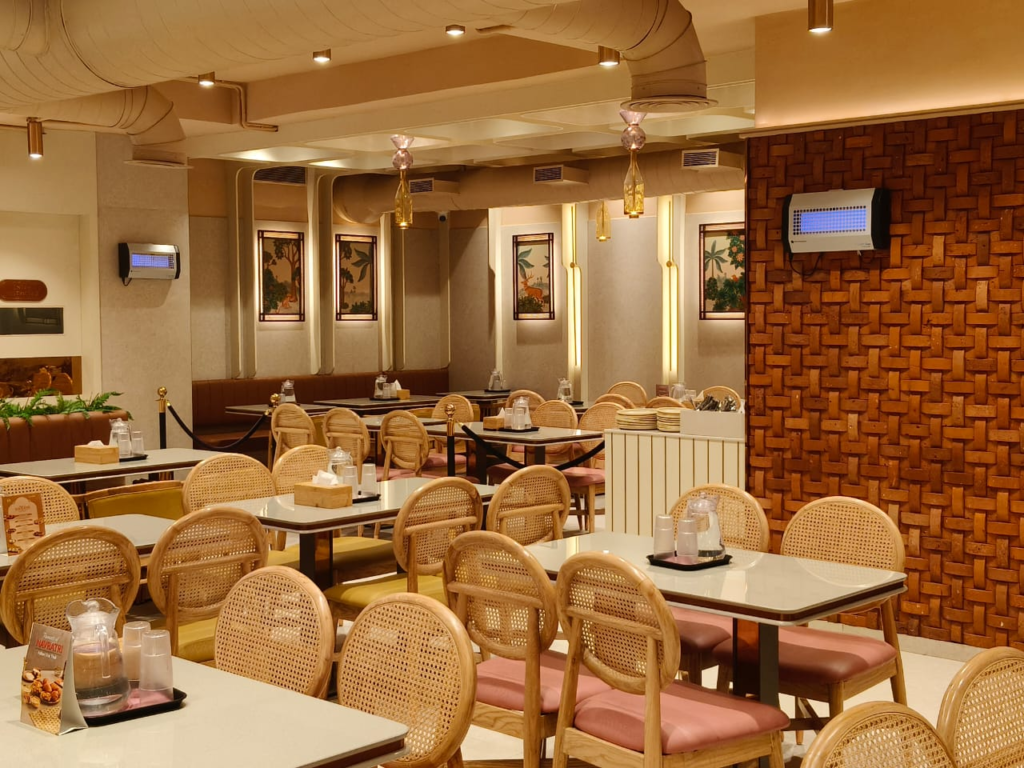
Two FLYght Duos installed at the right height at a leading restaurant in an Indian metropolitan city
Do’s of Insect Light Trap Use:
- Map fly pathways: Before installing ILTs, study the typical paths flies take after entering your facility. Pre installation study helps you place traps in key locations to intercept flies before they reach areas with exposed food or sensitive operations.
- Position traps for interception: Place ILTs where they can effectively intercept flies soon after they enter, but before they reach critical zones within your facility.
- Combine prevention with monitoring: Strengthen building defences using double doors, automatic door closers, and insect screens on windows and vents, minimizing fly entry. Remember, ILTs are monitoring tools designed to trap flies that bypass these barriers, not a standalone solution.
- Install along key pathways: Position ILTs along routes used frequently for human or material movement, as these are also the paths flies use to move about inside your premises.
- Optimize height for efficiency: Install ILTs at five feet or lower to maximize fly capture rates. Floor-mounted traps can work as effectively as wall-mounted ones. Avoid placing traps higher than five feet, as this reduces effectiveness and makes maintenance more difficult.
- Ensure accessibility: Choose trap locations that allow easy access for glue board replacement and inspection. Accessibility is vital for regular monitoring and maintenance.
- Achieve full facility coverage: Distribute ILTs evenly throughout your facility to ensure comprehensive fly monitoring and trapping.
- Increase trap density in high-risk areas: Deploy additional ILTs in locations prone to higher fly activity, such as near trash or waste storage areas, to maximize capture.
- Analyze trap catches: Regularly review glue boards to assess both the number and species of flies caught. Adjust trap placement and strengthen preventive measures based on your findings to address possible entry points.
- Use ILTs as monitoring, not control devices: ILTs are best used to monitor fly populations, not as the sole method of control. No trap can catch every fly that enters your facility.
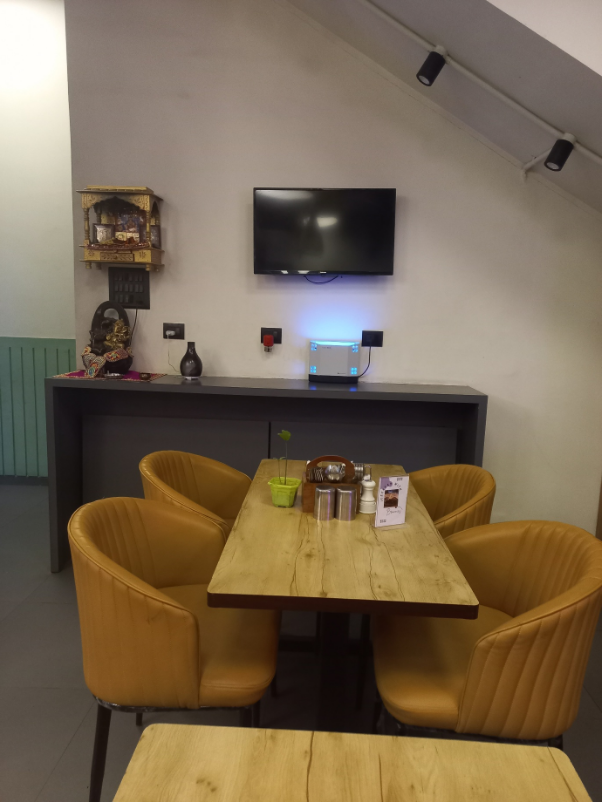
FLYght Deco placed on a storage cupboard at a restaurant, showing the flexibility in FLYght Deco placement
Don’ts of Insect Light Trap Use:
- Place traps where they attract flies into the facility: Avoid installing ILTs near windows or bright light sources that can lure flies into your building.
- Install traps in sensitive areas: Do not position ILTs in spaces where you absolutely do not want flies, as traps themselves can attract flies into these sensitive zones.
- Locate traps in high-traffic or vulnerable areas: Avoid placing ILTs in narrow corridors or areas with heavy foot or equipment traffic, where they risk being damaged and becoming ineffective.
- Neglect regular program reviews: Periodically evaluate the effectiveness of your ILT program. Move or remove traps that are not capturing insects to optimize your fly management strategy.
- Ignore environmental factors: Do not overlook the impact of dust, grease, or vapors, which can diminish glue board stickiness or damage the electronics of your ILTs.
- Delay glue board replacement: Replace glue boards promptly to prevent them from becoming clogged with dead insects, which can reduce effectiveness and attract scavenger pests.
- Install traps near strong air currents: Avoid placing ILTs close to fans or air conditioners, as strong airflow can impede fly capture.
- Expose traps to moisture or oily conditions: Prevent water sprays, high humidity, or oily vapors from reaching your ILTs, as these can impair performance and cause damage.
- Position traps near open doors or outward-facing windows: Placing traps near doors or windows that open frequently can inadvertently lure flies into the facility from outside.
- Place traps near areas with exposed food: Do not install ILTs close to food production zones where exposed food is present, as trapped or attracted flies can pose a food contamination risk.
If you have further questions on ILT placement and usage, we encourage you to reach out to us for expert guidance.